News|Event date: November 6, 20184 min readSpecial Affairs Editor
Hussein Aref, the authorized representative of the closed administrative union for nuclear industry zones in the Russian Federation, is spearheading arrangements for a visit by ten Russian governors to foster people-to-people diplomacy; the initiative culminated in a protocol with the Cairo Chamber of Commerce and a message of friendship in Aswan.
An official mandate from Moscow, an investment protocol with the Cairo Chamber of Commerce, and a letter of friendship delivered at the symbols of Soviet-Egyptian friendship—all involving Dr. Hussein Aref, the authorized representative of the Russian Union and a man who builds bridges.
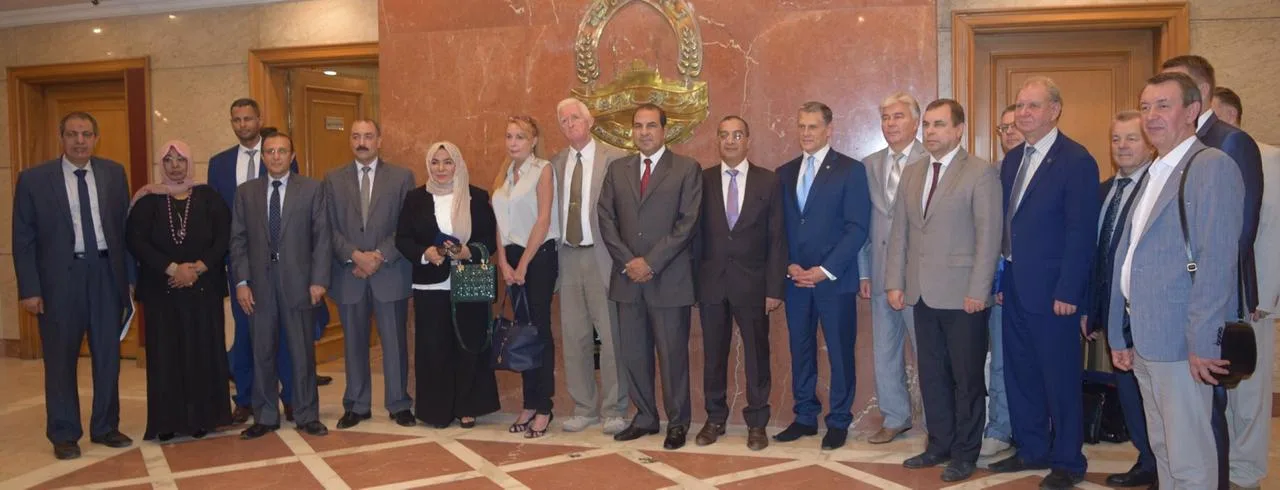
In Aswan—a city that holds some of the most cherished chapters of the Russian-Egyptian friendship—ten men stood before the symbols of Soviet-Egyptian amity in early November 2018. They were no ordinary visitors; they arrived on a unique diplomatic mission. Governors representing the "Closed Administrative-Territorial Formations" (ZATO)—the hubs of Russia’s nuclear industry—had traveled thousands of kilometers bearing a single message: the relationship between the two nations was set to move beyond government halls and reach directly into cities, factories, and the lives of ordinary people.
The visit, which took place from November 4 to 11, 2018, had an unequivocal objective: to foster "people-to-people diplomacy" in support of the El Dabaa nuclear project and to facilitate an exchange of expertise between the leaders of cities that have hosted Russia’s nuclear industry for decades and the Egyptian counterparts preparing to launch the country's first peaceful nuclear power plant.
What are "Closed Administrative-Territorial Formations" (ZATO)?
These are special administrative zones within the Russian Federation that house nuclear industry facilities, including scientific research institutes, nuclear fuel cycle plants, dual-use (civilian and military) production complexes, and strategic development centers. Entry is restricted to those with special permits, and each zone is governed by an elected head. Collectively, these areas form the heart of the Russian nuclear industry, represented by the "Union of Closed Administrative-Territorial Formations of the Russian Federation Nuclear Industry."
From Moscow... With an Official Mandate
The visit was not a spontaneous initiative; An official document issued on August 30, 2018 (No. 42-A/1) by the closed administrative union for nuclear industry zones in the Russian Federation established the framework for the delegation’s activities. This involved negotiations with Egyptian entities and the preparation of a comprehensive visit program, with the participation of the Russian union’s accredited representative, Dr. Hussein Aref—whose full name is Hussein Mohamed Hussein Mustafa Jaafar Aref—the current President of the International Development Fund.
Aref approached this role based on his firm conviction that institutional partnerships—rather than individual deals—are the only things that endure long after the fanfare of ceremonies has faded. With this perspective, he orchestrated the initiative across Moscow, Cairo, and Aswan, leveraging his institutional expertise to align the Russian delegation’s agenda with Egyptian economic institutions.
Cairo: A Protocol Transforming Friendship into Investment
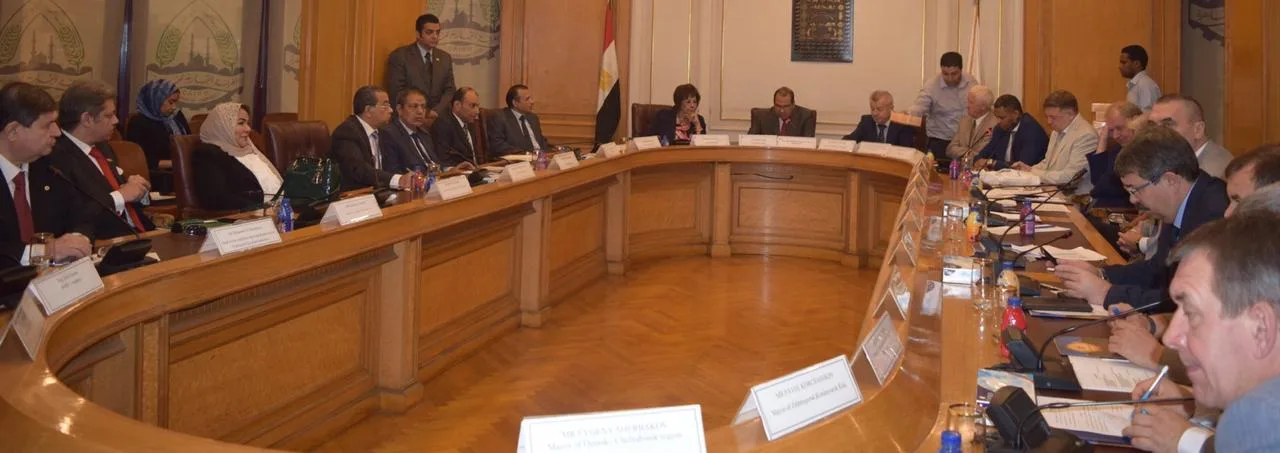
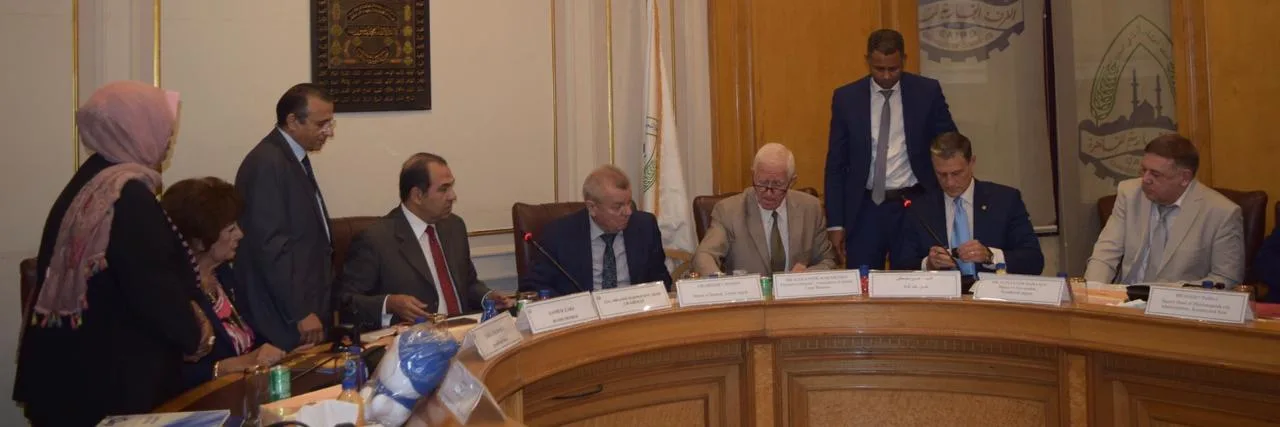
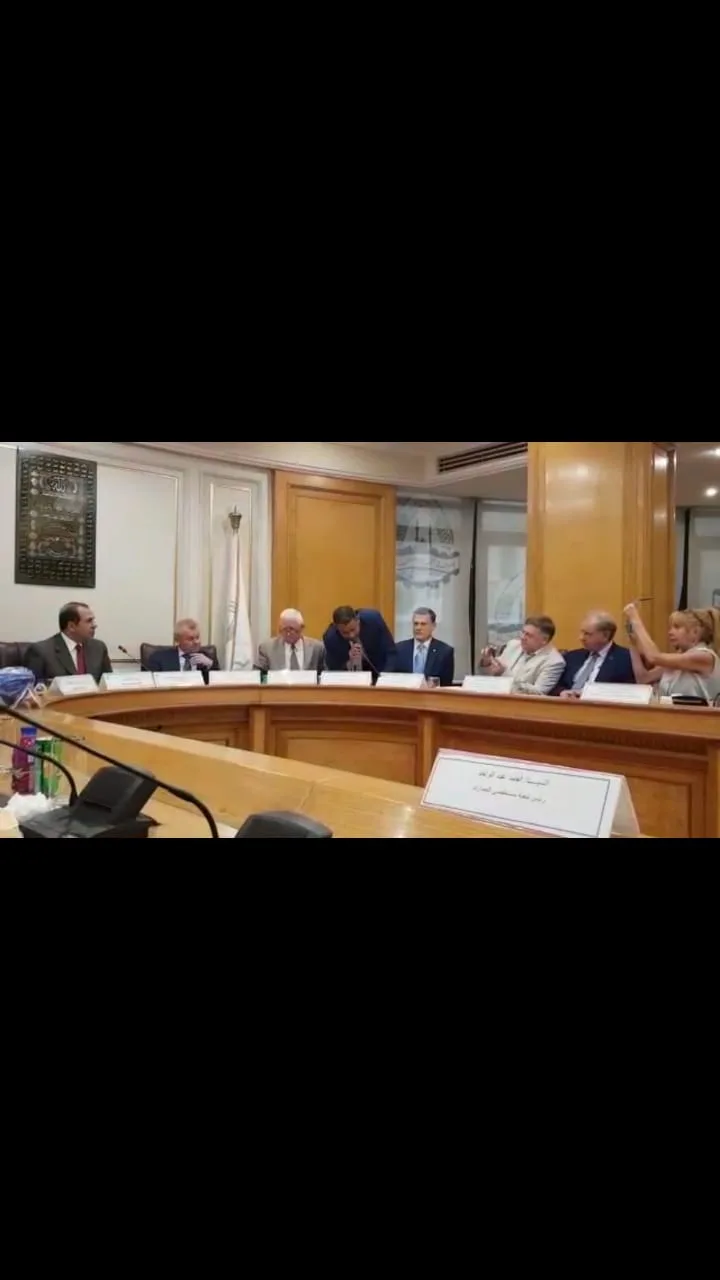
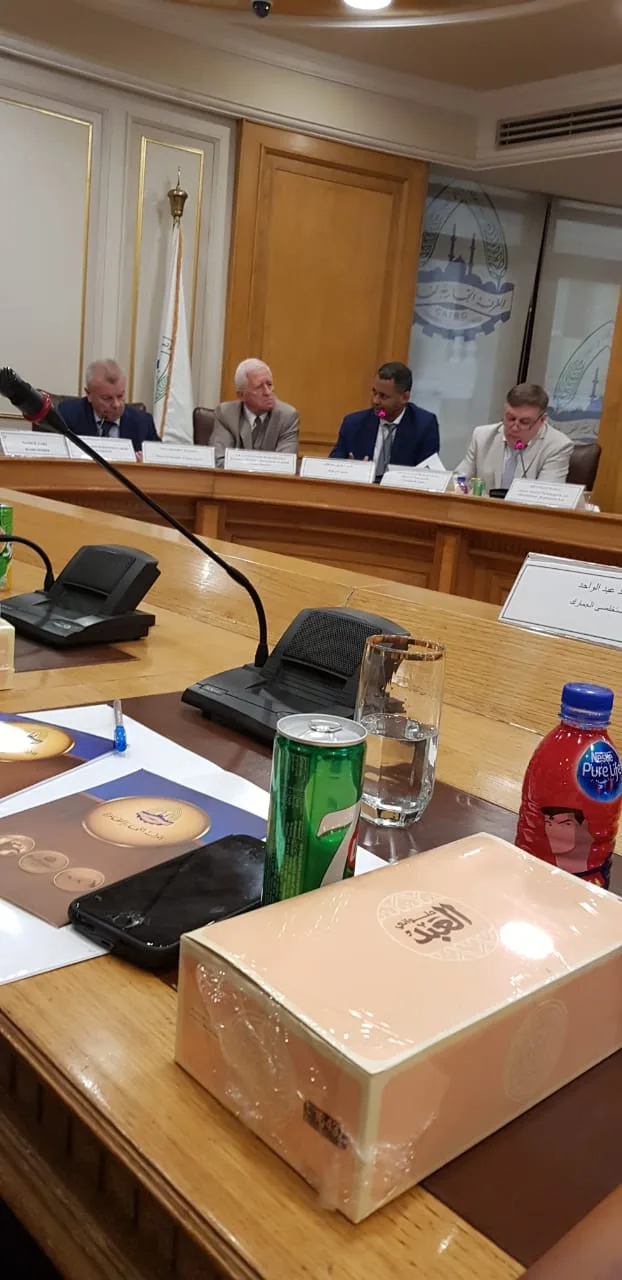
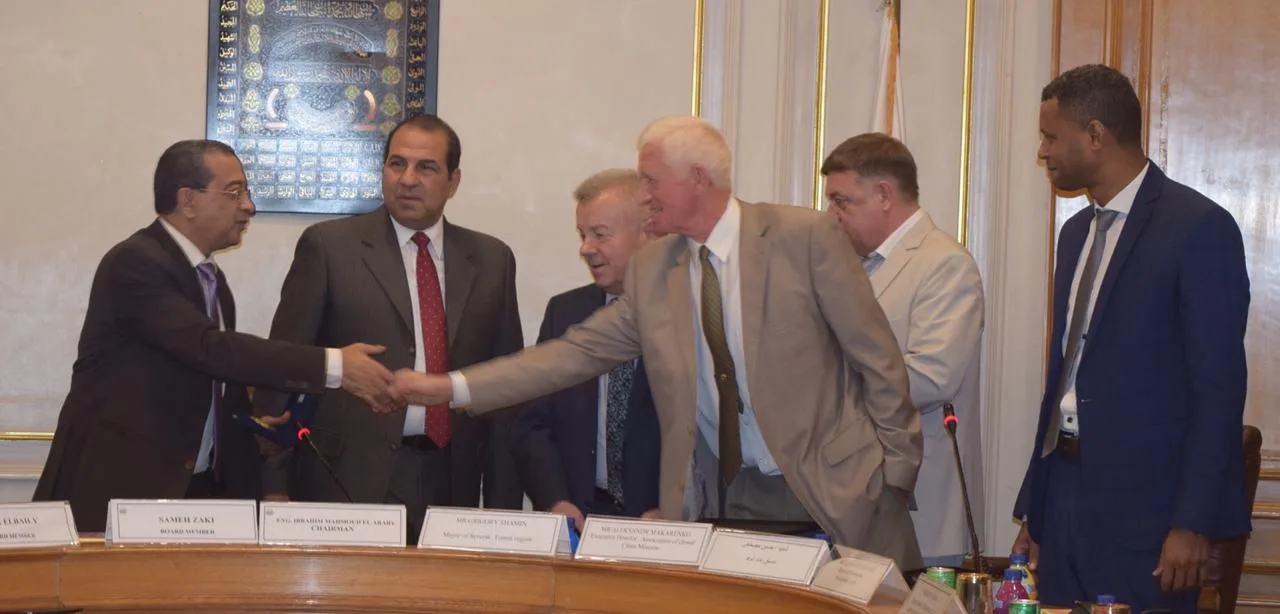
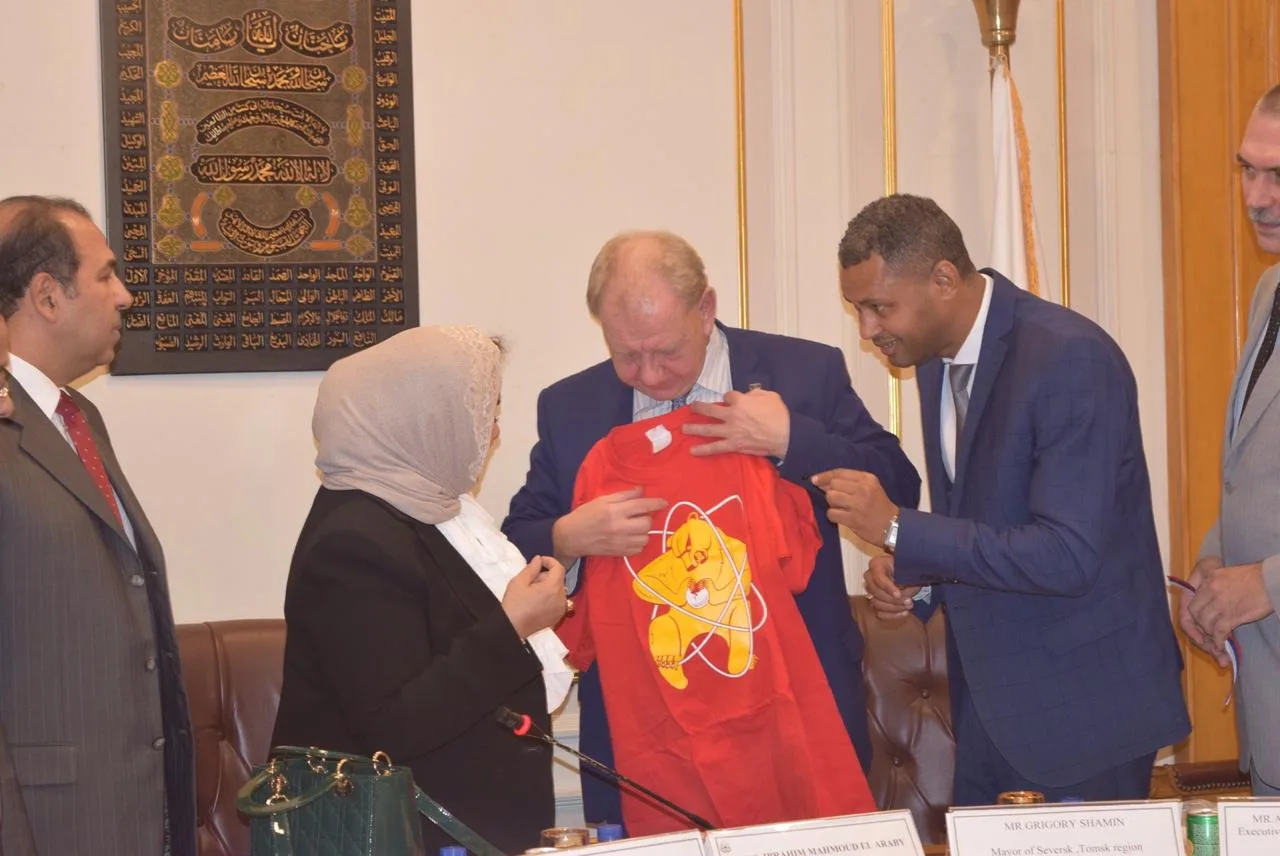
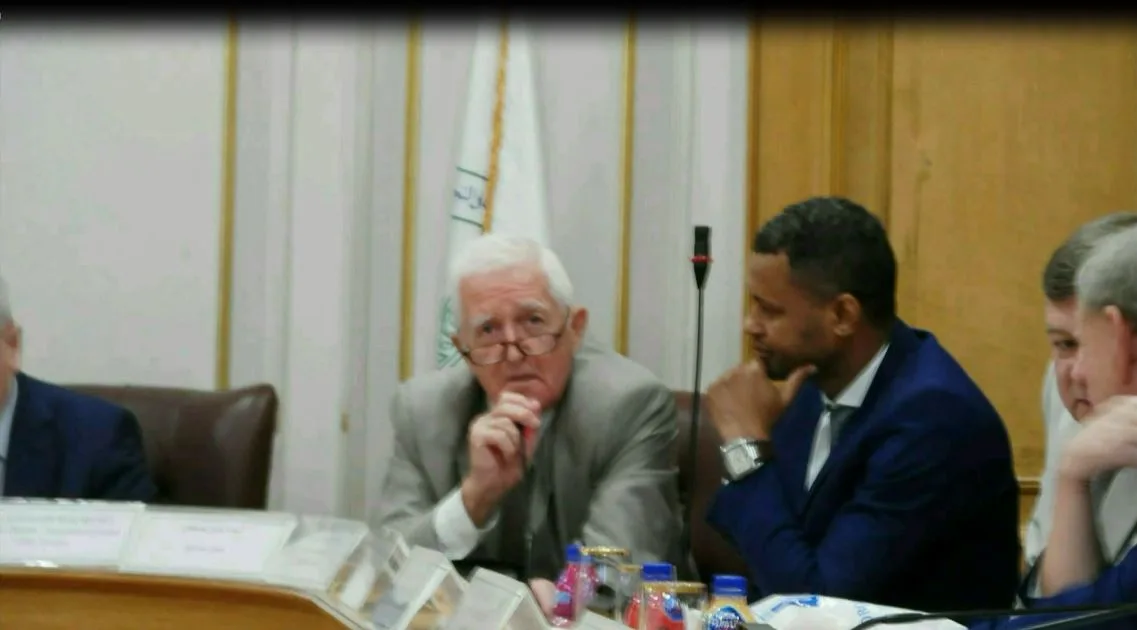
During the Cairo leg of the visit, the Cairo Chamber of Commerce—representing over 500,000 merchants—signed a cooperation protocol with the Russian delegation aimed at boosting joint investments and revitalizing trade and economic cooperation between the two nations. The Egyptian side highlighted the fruits of economic reform, including the liberalization of exchange rates, the new investment law, and major national projects—ranging from the global grain logistics hub and the national road network to the 1.5-million-feddan land reclamation project—as well as a diversified energy strategy that places peaceful nuclear energy at its core.
The Russian side was not merely a passive participant in the dialogue; The delegation members affirmed their country's readiness to enter into partnerships across the technology, automotive, and SME sectors. They emphasized that the signed protocol would be leveraged through the exchange of delegations and information, as well as periodic meetings to discuss investment opportunities in both nations.
Aswan: Renewing the Bond at the Symbols of Friendship
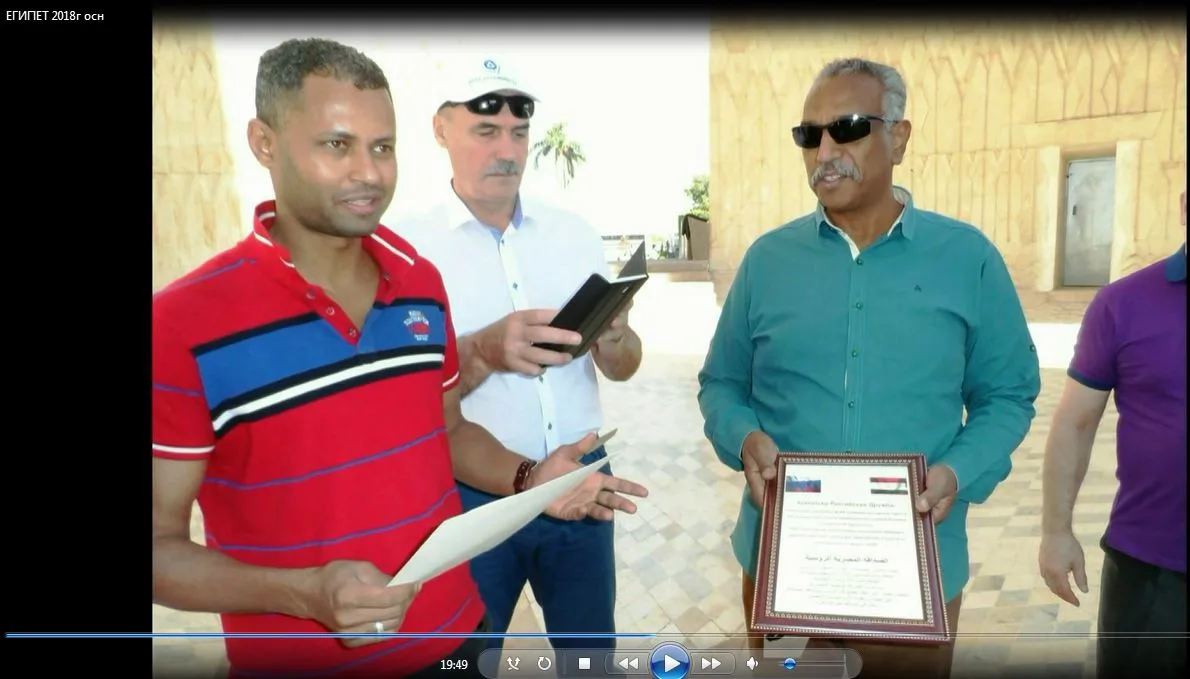
The most symbolically profound stop was in Aswan, where the city’s governor welcomed the delegation at the monuments symbolizing Soviet-Egyptian friendship. There, Dr. Hussein Aref—representing the Russian governors' delegation—presented a "Letter of Friendship" to the governor. The moment was captured on camera, and those present viewed the letter as a renewal of the bond between two generations: the generation that built the High Dam and the generation currently building the El Dabaa plant.
Three Stops... One Message
An authorization signed in Moscow, an economic protocol in Cairo, and a letter of friendship in Aswan—through these three stops, the delegation’s message was fully conveyed: Egyptian-Russian relations are no longer confined to official government formalities. Instead, they have evolved into a diplomacy of cities and peoples, transforming a shared history into tangible development partnerships. At the forefront of this is the El Dabaa project—not merely as an energy initiative, but as a symbol of a friendship forging its path into the future.