News|Event date: October 28, 20264 min readSpecial Affairs Editor
200 pyramids, 114 languages, and an African child whose dream is a toy
"Sudan is not a desert; rather, it is home to 570 tribes speaking 114 languages—a number equal to the verses of the Quran—and it possesses one of the oldest civilizations in history, which built the pyramids."
"The Voice of the African Child Reaches the Heart of Moscow: The 'African Children’s Toy Fund' Is Born Within the Russian Congress"
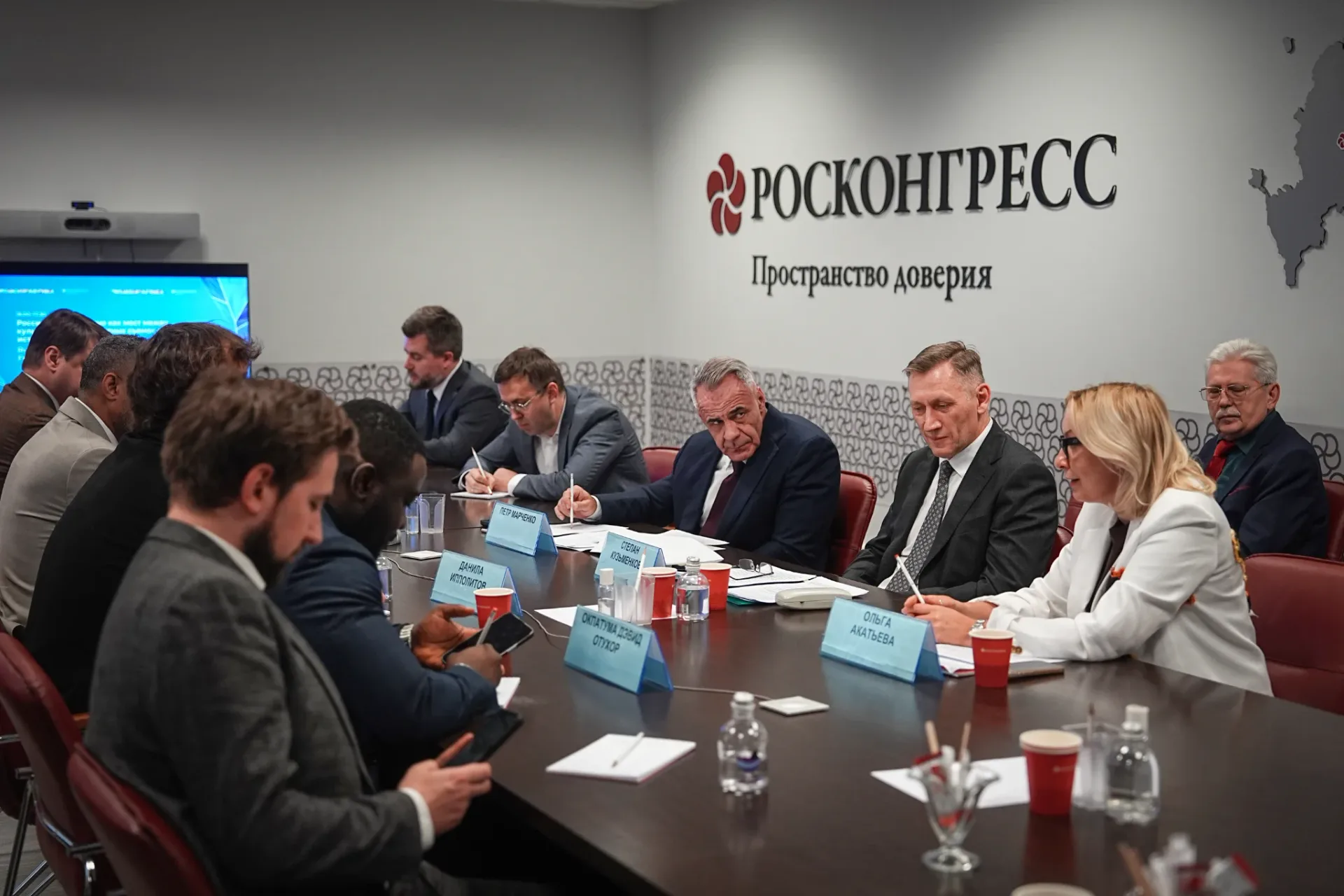
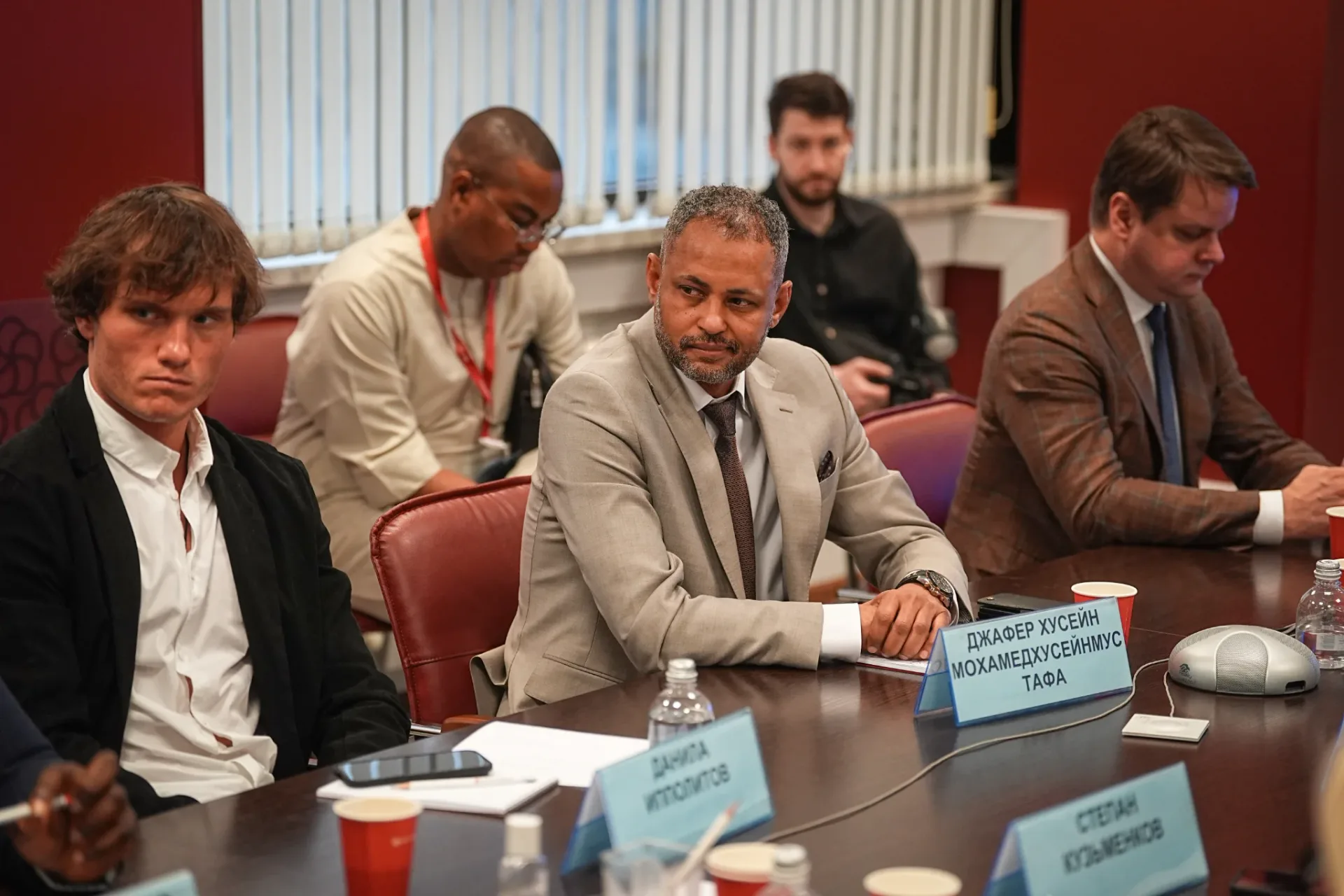
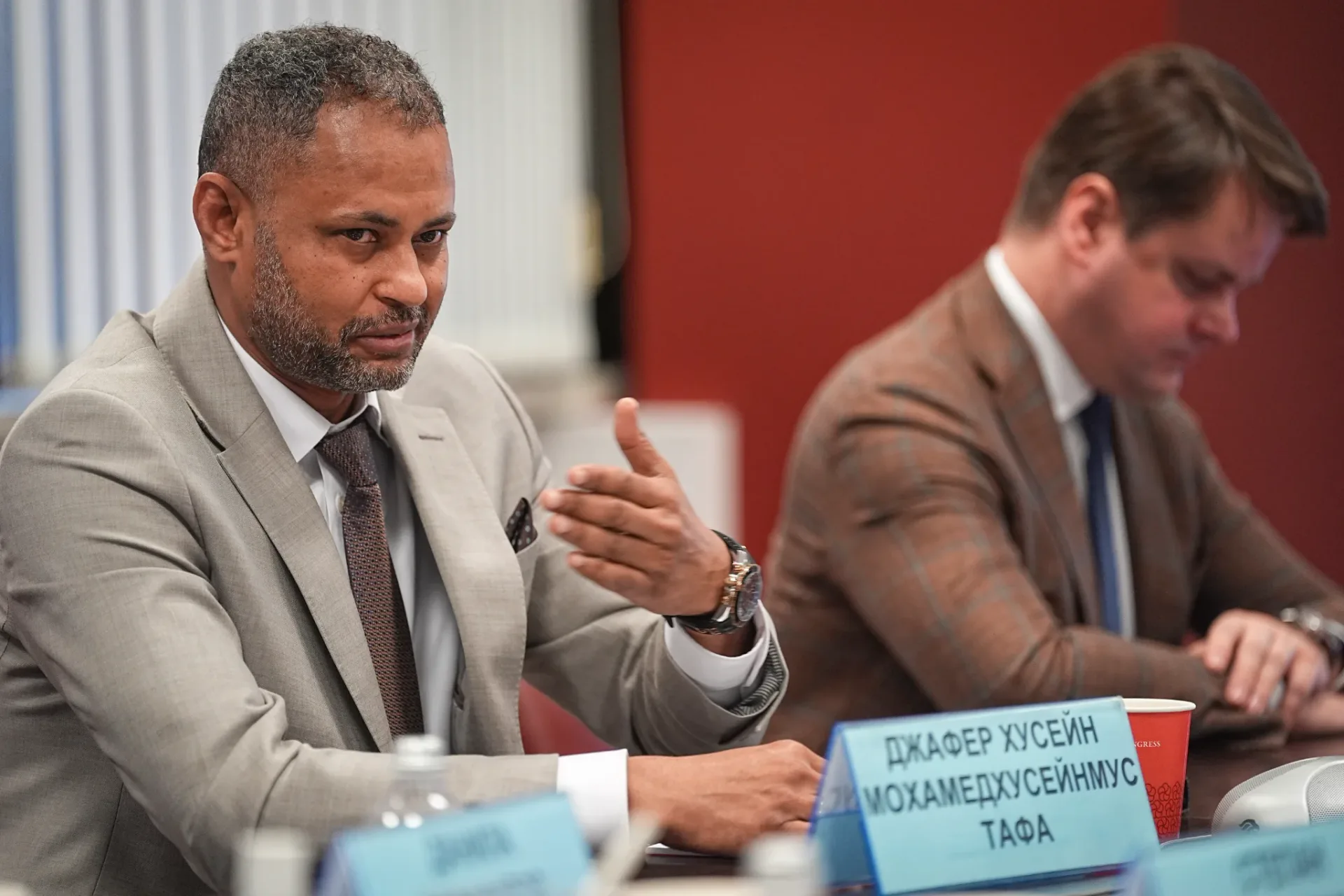
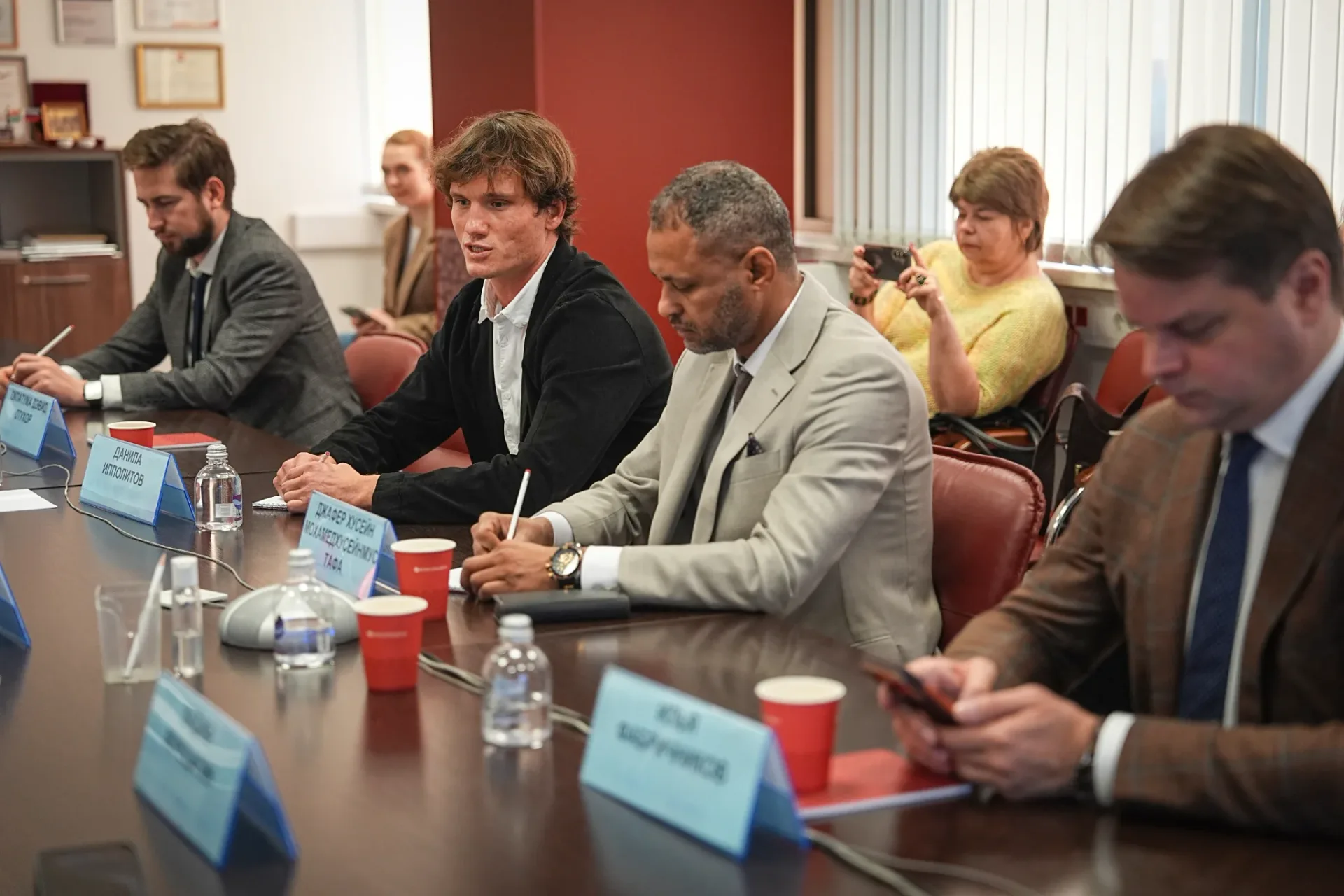
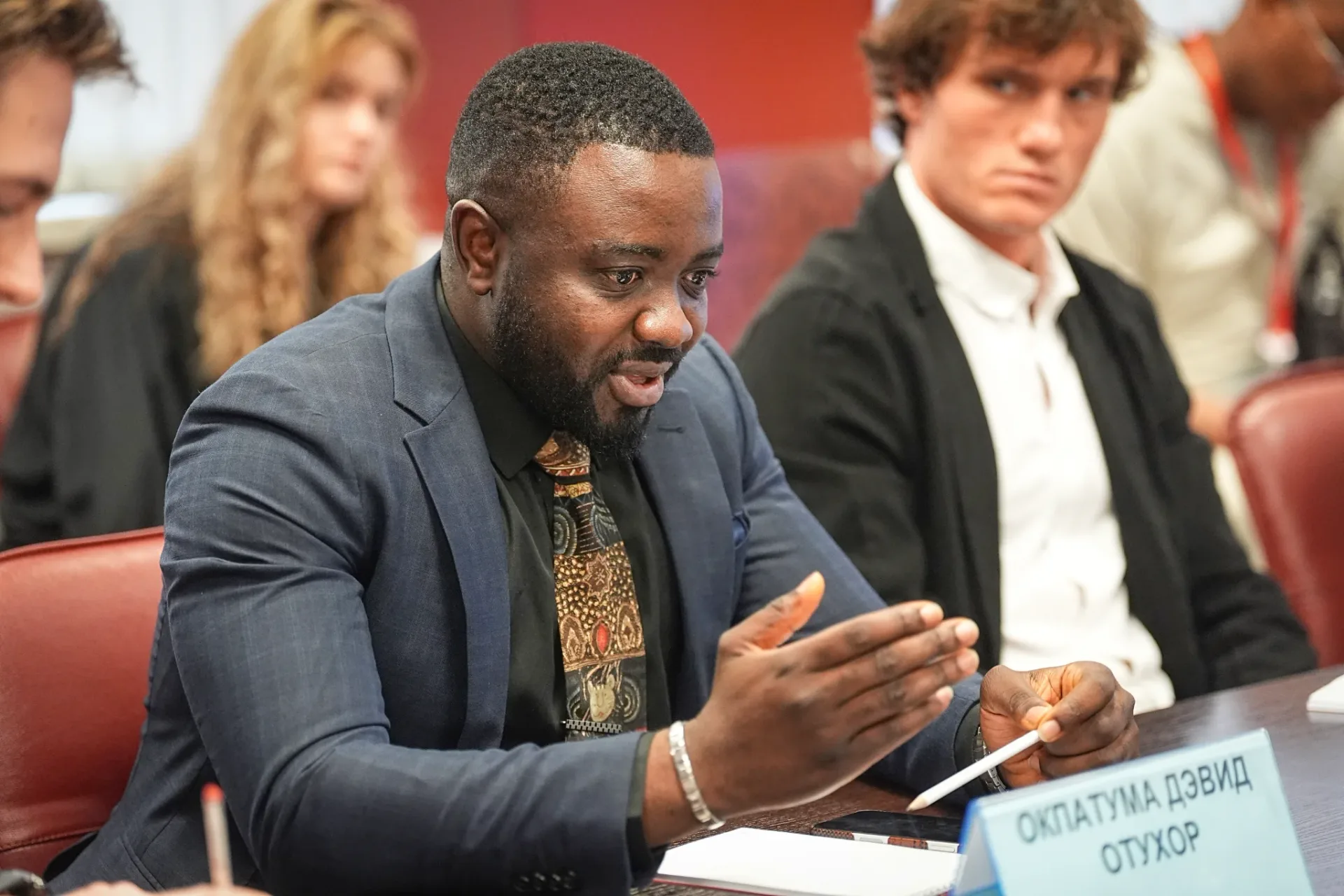
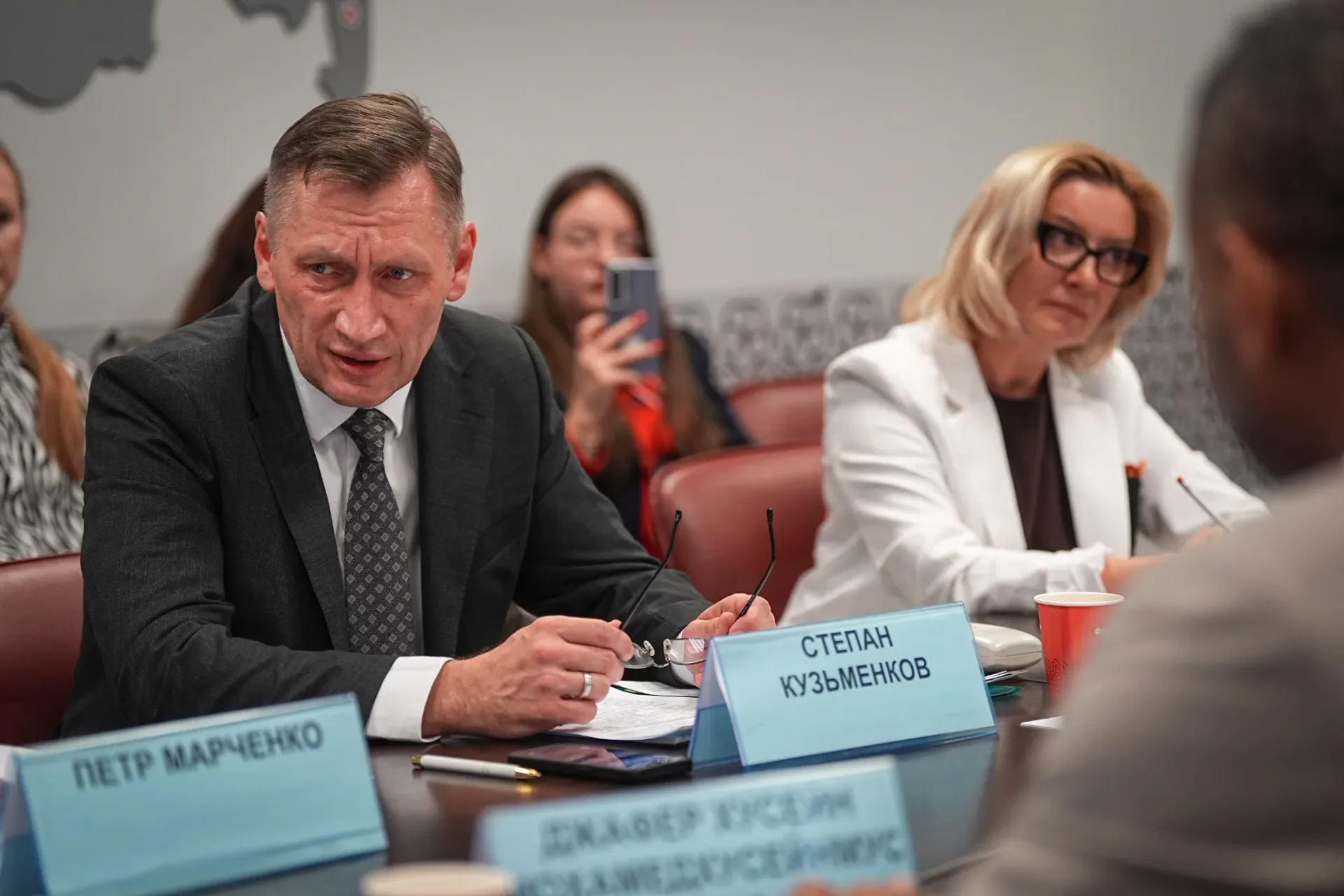
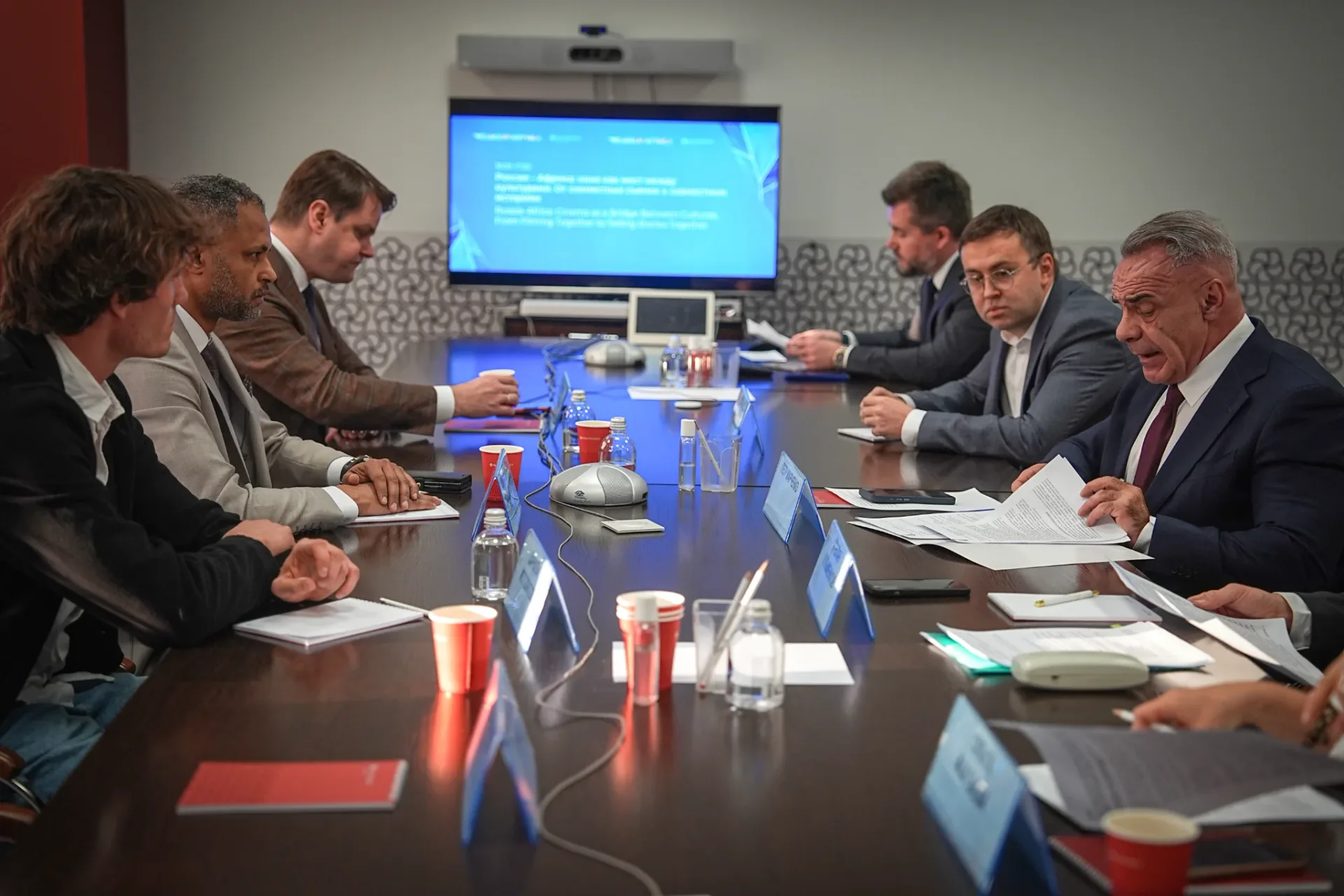
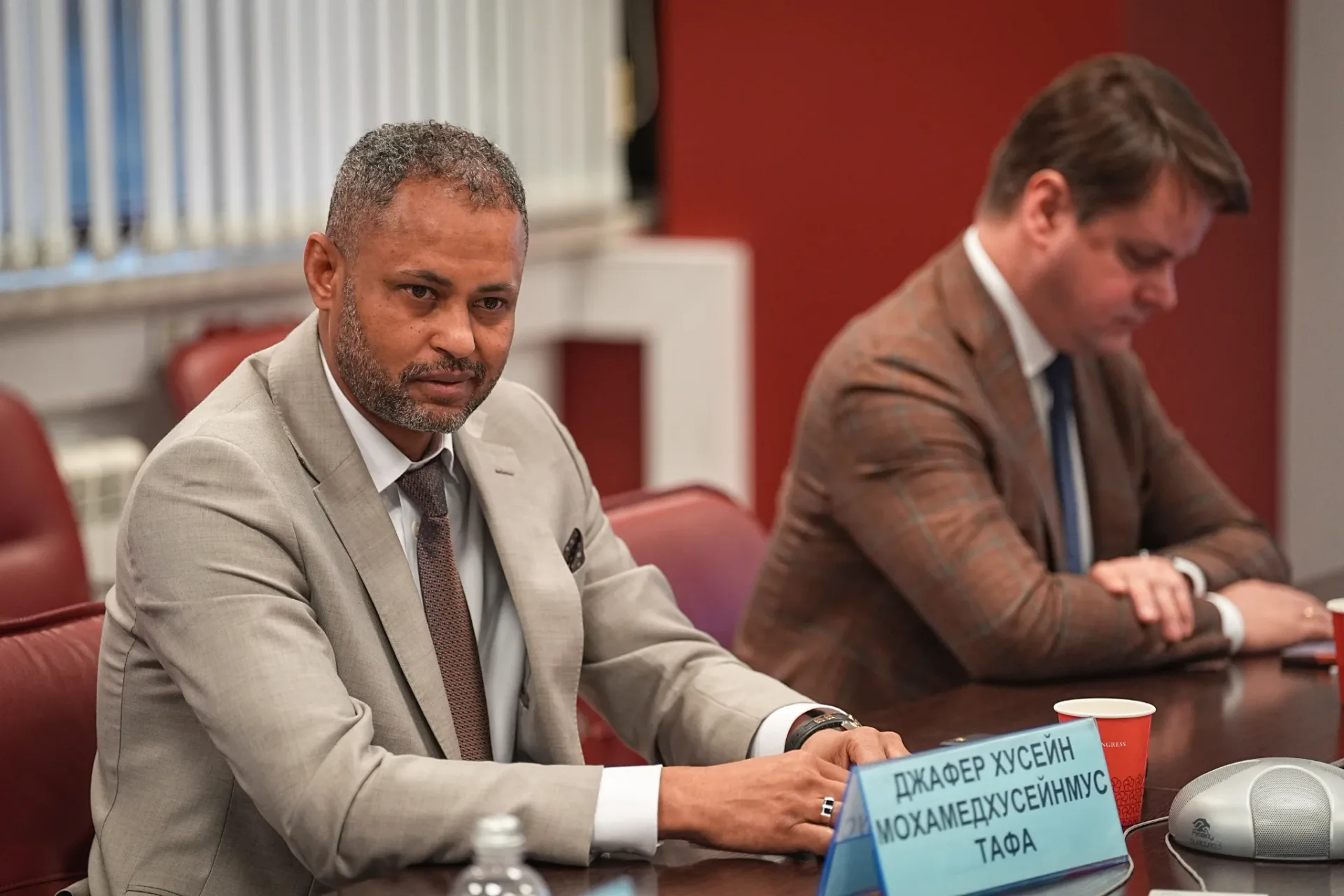
This was no ordinary conference held in a standard convention hall; its sessions took place within the Russian Congress—the very body that organized the Russia-Africa summit—in the heart of Moscow. From this significant, official venue—where major decisions are forged and policies for the partnership between Russia and the African continent are shaped—Dr. Hussein Aref, President of the International Development Fund, stood to present a vision that transcends the confines of a camera lens or a screen, pointing toward a deeper meaning for the partnership between the two continents.
Dr. Hussein Aref began by speaking about Sudan—the heart-gate of Africa—citing figures that defy simple description: home to some 570 tribes speaking approximately 114 languages (a number matching the total count of *ayat*—verses—in the Holy Quran), and boasting more than 200 pyramids in a land often misperceived as nothing more than a desert. With its strategic geographical location and its gateway to the Red Sea, Sudan is not merely a nation with a rich history; it is a promising market and a vital commercial link between the African continent and the rest of the world.
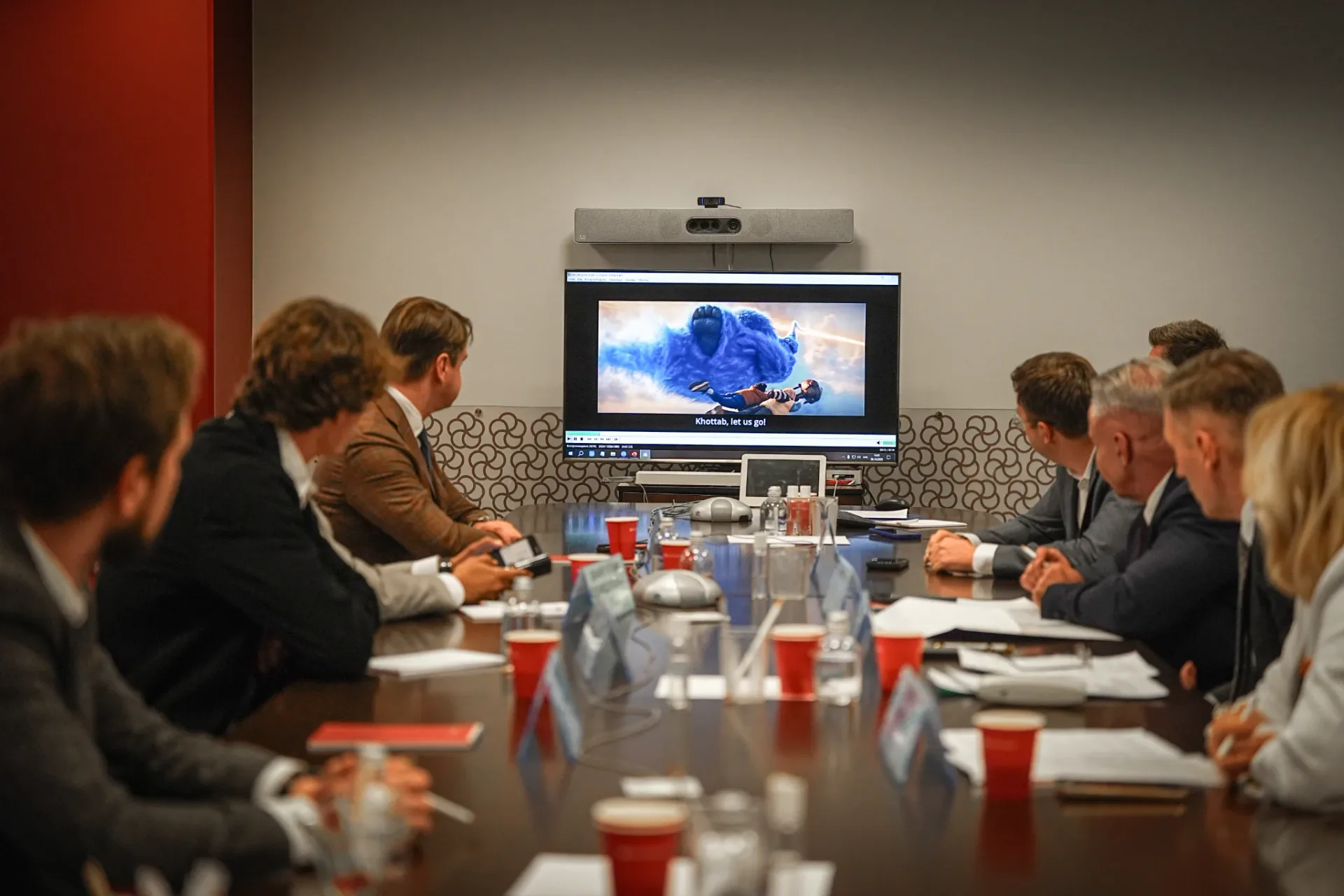
When the Russian side announced the selection of Morocco as the filming location for the first joint Russian-African motion picture, Dr. Aref responded with refined diplomacy. While expressing his sincere affection for Morocco and its people, he also looked toward the future—highlighting that Sudan, the site of one of Africa’s oldest known civilizations, possesses a geological and aesthetic diversity that makes it a complete cinematic canvas: mountains and waterfalls, jungles and deserts, seas and the Nile, and a rich array of wildlife. It is a natural landscape waiting to be captured through the lens of a camera. Yet, the pivotal moment of the conference was not solely about cinema; it was about the child.
Dr. Hussein Aref posed a question to the attendees—one striking in its simplicity:
"What does an African child want?"
Before anyone else could answer, he replied:
"It is not food—for sustenance is a fundamental right that should be readily available. It is not money—for a child is not responsible for supporting a family. The wish of an African child is the same as that of every child on Earth: to play. And to play, one needs a toy."
From this concept, the "African Children’s Toy Fund" was born—an initiative rooted in a philosophy that rejects the logic of "aid," which often instills a sense of humiliation in the children of the continent. An African child does not need pity; they need friendship.
The idea was launched under a clear banner:
"The children of Russia—in the spirit of love and friendship—gift toys to the children of Africa. In return, each African child responds with a drawing expressing their thanks and gratitude."
Each toy bears the name of the child who gifted it, allowing the African child to know who sent it. In response, the African child creates a drawing—a portrait of themselves, smiling toward a future filled with friends and hope. In this way, a new map is drawn: a map of future friendship between the children of Russia and the children of Africa—a culture that could expand to encompass all the children of the world. The proposal was met with a sharp, intense reaction in the hall; in fact, the only person who applauded that day was Dr. Hussein Aref himself—a single, sincere round of applause that heralded the birth of an idea far greater than the conference that hosted it, or the formal hall in which it was voiced.
This is not merely an aid initiative. It is a redefinition of the relationship between the North and the South, between Russia and Africa—a relationship between a child who possesses a toy and a child who possesses a spirit. Cinema begins with a story, and the story begins with a child at play.
That an idea of such depth should be articulated by Dr. Hussein Aref, President of the International Development Fund, within the Russian Congress—the very body organizing the Russia–Africa conference—is a sign that the strategic partnership between the two continents cannot be measured by agreements alone. Rather, it is measured by the human touch that reaches, first and foremost, the youngest among us. The International Development Fund invites everyone who holds a place in their heart for childhood to join this map of friendship. For the future is not built on contracts alone, but on the toys we place in a child’s hands and the drawings we receive from them in return.