News|Event date: November 2, 20264 min readSpecial Affairs Editor
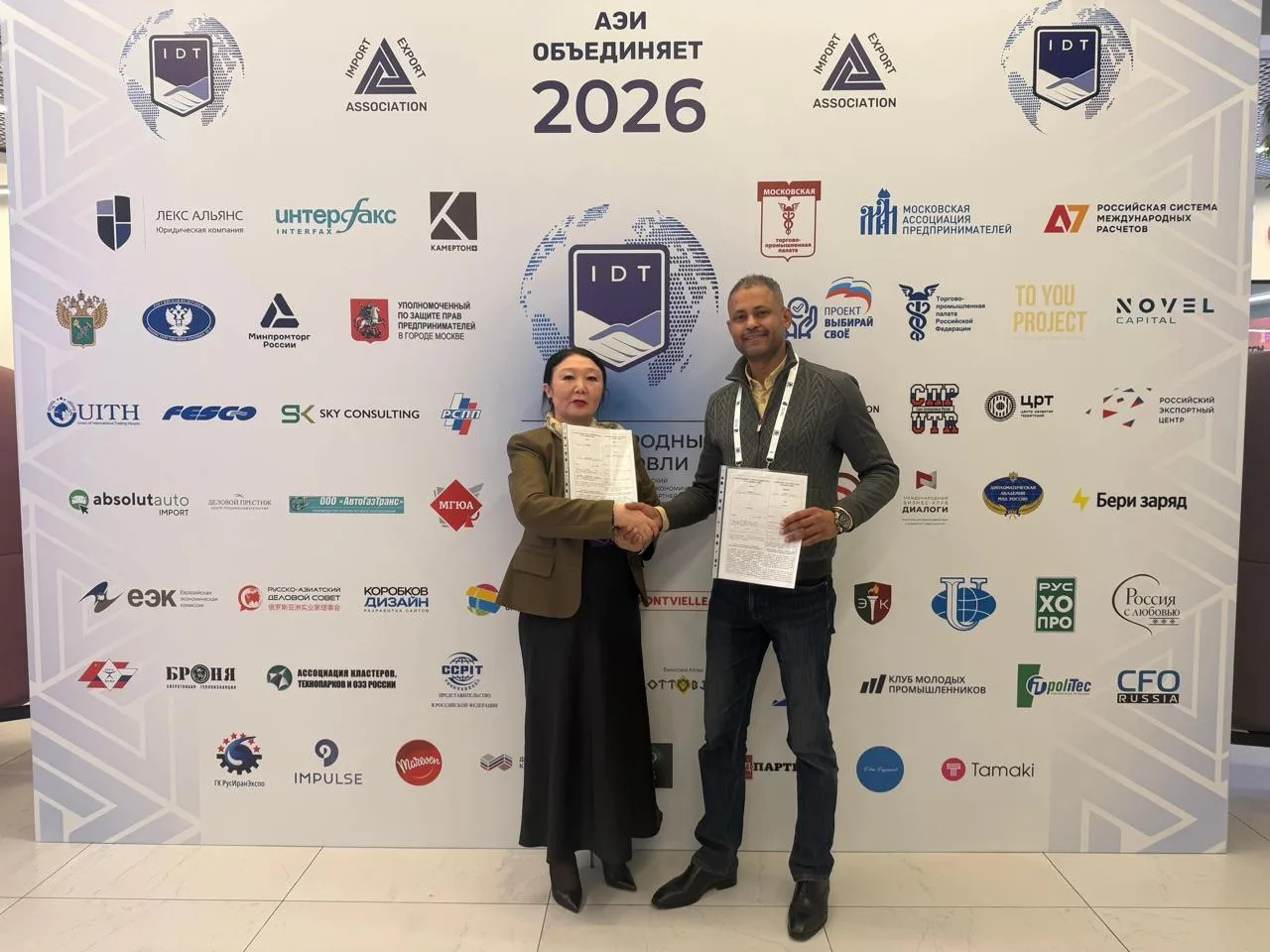
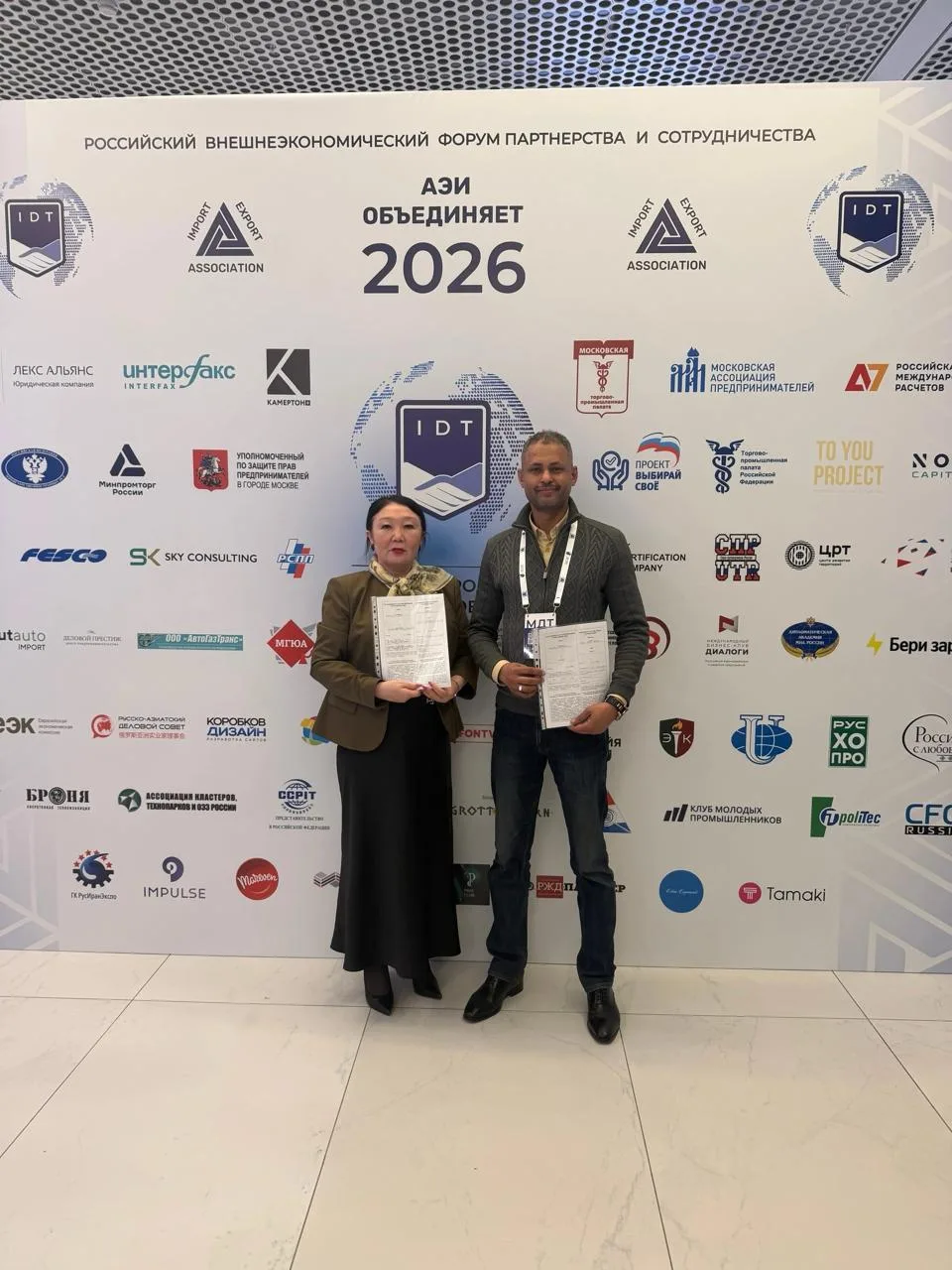
President of the Global Development Fund, Dr. Hussein Arif, Signs Strategic Agreement with Russian Entity at the "International Trade Day 2026" Forum in Moscow — Launching a National Project for Endangered Medicinal Plant Cultivation with 314 Million Rubles in Investments Under Russia's Import Substitution Agenda
"Our partnership today represents a new model for international economic cooperation: we are transferring vital, advanced knowledge, building independent supply chains for medicinal herbs, and simultaneously strengthening both pharmaceutical and food security."
— Dr. Hussein Aref, President of the International Development Fund
Moscow — November 2–3, 2026 — On the sidelines of the 14th annual forum and exhibition, "International Trade Day 2026"—hosted by the Russian Federation in Moscow under the theme "The Global South: Partnership and Trust — Trade as a Driver of Growth"—Dr. Hussein Aref, President of the International Development Fund, signed a strategic partnership agreement with a leading Russian entity. The agreement launches a national project dedicated to the cultivation of endangered medicinal herbs—species currently listed in the "Red Book" (of protected/threatened plants).
This year’s forum is held under the auspices of the Russian Association of Exporters and Importers, with the participation of the Russian Ministries of Foreign Affairs, Industry and Trade, Agriculture, and Economic Development, as well as the Eurasian Economic Union. The event also hosts high-level delegations from Saudi Arabia, China, India, Vietnam, various African nations, Uzbekistan, Turkey, Indonesia, and others.
Forum Theme and Context
As the largest annual platform for Russia’s partnerships with the Global South, the forum emphasizes the necessity of building a "new architecture for international trade—one based on the harmonization of standards, the localization of production, and independent supply chains." The project signed by Dr. Aref serves as a practical embodiment of this vision; it aims to reduce Russia’s reliance on medicinal herb imports—which currently account for approximately 80% of the market—by establishing an integrated national production chain for herbal medicines, cosmetics, and food products. A Strategic Project with an Investment of 314 Million Rubles
With a total investment of approximately 314 million rubles, this project aims to provide a domestic alternative to Russia’s imports of endangered medicinal herbs—a need that has become particularly pressing given the withdrawal of foreign companies from the market and the growing scarcity of raw materials for the pharmaceutical, cosmetic, and food industries. The project aligns directly with the themes of the forum’s opening session, which focused on "Partnership Based on Trust as a Driver for Multipolar Growth," as well as Russia’s national import-substitution agenda.
The project is structured into seven integrated phases: establishing a laboratory for the micropropagation of rare medicinal plants (55 million rubles; 4 million seedlings annually); cultivating these plants in greenhouses and collecting seeds (36 million rubles); engaging farmers in contract-based collaborative cultivation; processing and marketing medicinal raw materials (31 million rubles); producing eco-friendly, chemical-free wheat (61 million rubles; 1,200 tons); manufacturing distillates, solvents, and preservatives (65 million rubles; 360 tons); and finally, producing antiviral and immune-boosting preparations (66 million rubles; 1.5 million 0.5-liter units).
Strong Economic Indicators
The project is projected to generate a net profit of 1,282.6 million rubles in its first year of operation. The capital payback period is no more than two years, with a 39% rate of return. Furthermore, the initiative paves the way for expanding cultivation areas to 10,000 hectares by 2030, providing stable income for farmers through inter-regional cooperatives. These indicators align with the themes discussed during the "Russia 2050 Strategy" session at the forum, which focused on "aligning government strategies with business cycles and building technological sovereignty."
Regional and International Impact
Following the signing, Dr. Hussein Aref, President of the International Development Fund, stated: "This partnership represents a new model for international economic cooperation—one that transfers vital, advanced knowledge, builds independent supply chains for medicinal herbs, and strengthens both pharmaceutical and food security." He noted that the Fund prioritizes projects that combine economic viability with sustainable developmental impact, adding that this agreement opens doors to replicating the model in other regional markets across the Global South.
Forum Context and Participants
This year’s forum featured a range of speakers, including: Dmitry Birichevsky, Director of the Department of Economic Cooperation at the Russian Ministry of Foreign Affairs; Sergey Morozov, a member of the General Council of the "United Russia" party; Igor Muravyev, Executive Secretary of the State Commission for International Cooperation and Export; Kuat Rakhimov of the Eurasian Economic Commission; and Sergey Gorkov, Chairman of the Russian-Arab Business Council, who spoke on "A Framework of Trust and Technological Partnership: New Pathways for Engagement between Russia and the Arab World." The program also featured specialized sessions on topics including the digital transformation of customs administration; financial support for exports—provided by the Russian Export Center Group and EXIAR; language support for foreign trade; investments and industrial localization; new transport corridors, such as the North-South Transport Corridor; the role of coastal nations in the foreign trade ecosystem; import substitution and parallel imports; international payments using digital currencies, the Russian ruble, and the Chinese yuan; and the "Global South"—a partnership built on trust and a driving force for multipolar growth.
Furthermore, the forum hosted a "Business Contact Center," which served as a key negotiation platform. It brought together Russian companies and delegations from Saudi Arabia, China, India, Vietnam, Africa, Uzbekistan, Turkey, and Indonesia for direct, one-on-one meetings. The proceedings concluded with a gala dinner honoring the winners of the "International Trade Leader" award.
It is worth noting that the "International Trade Day 2026" forum serves as a primary platform for strengthening partnerships between Russia and countries across Asia, the Middle East, and Africa, with a focus on sectors such as agricultural investment, biotechnology, pharmaceuticals, and logistics corridors.