News|Event date: September 30, 20264 min readSpecial Affairs Editor
At a seminar titled "Educational and Labor Migration to Russia from Visa-Required Countries," the head of the International Development Fund unveils practical proposals to bridge the language gap and balance the labor market.
"Incorporating Russian into School Curricula": Dr. Hussein Aref Proposes Radical Solutions to the Challenges Faced by International Students in Russian Universities.
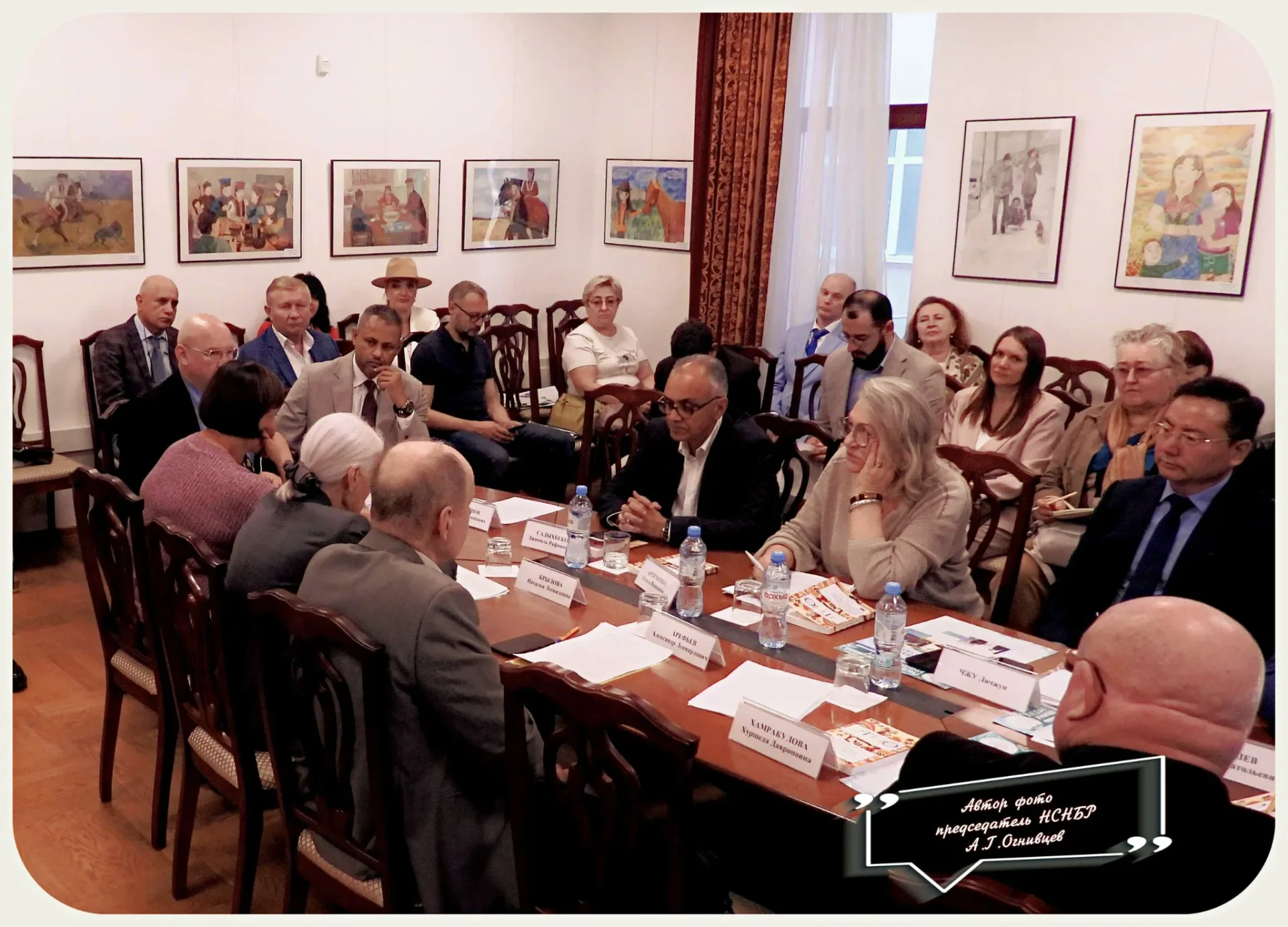
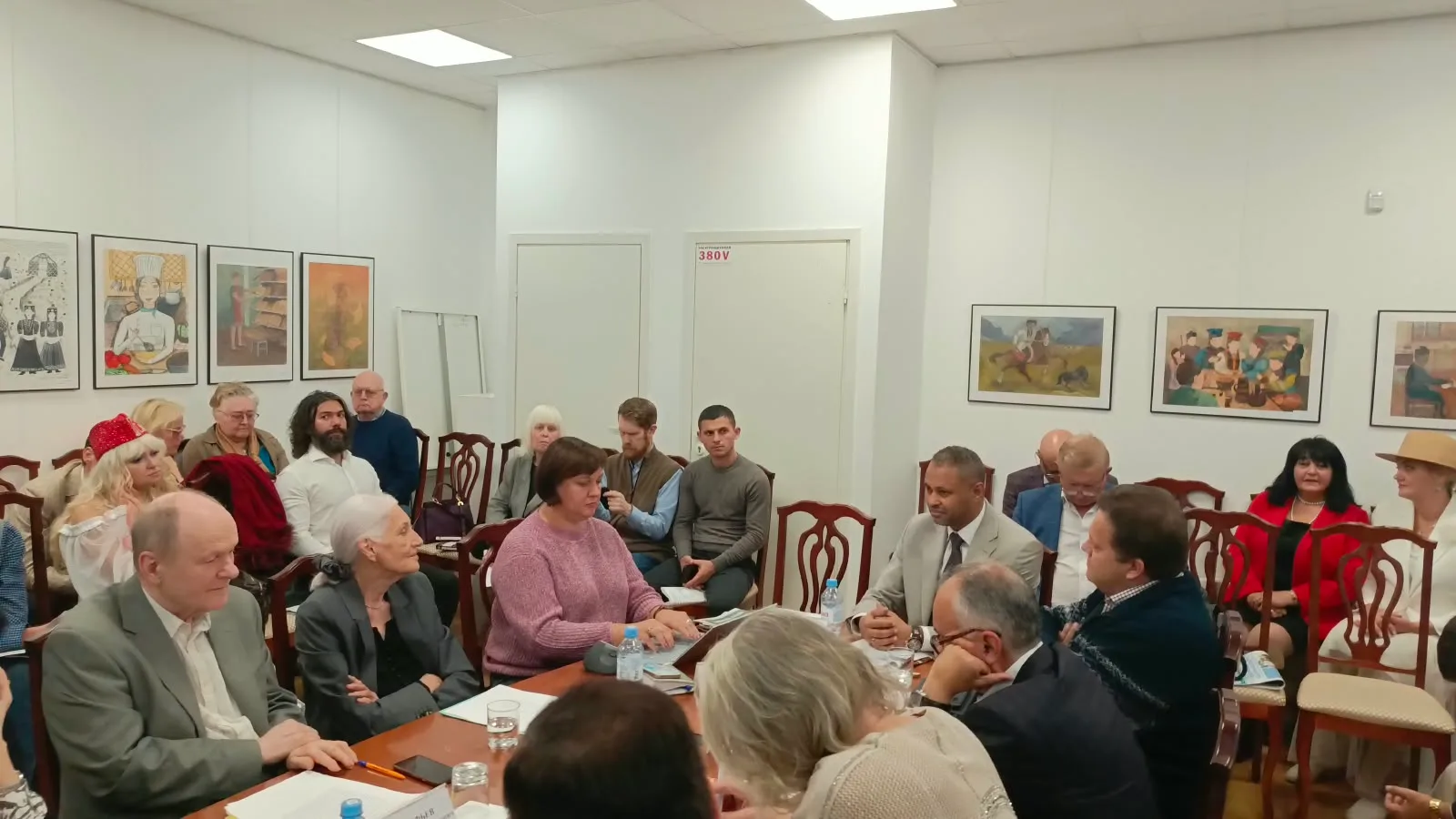
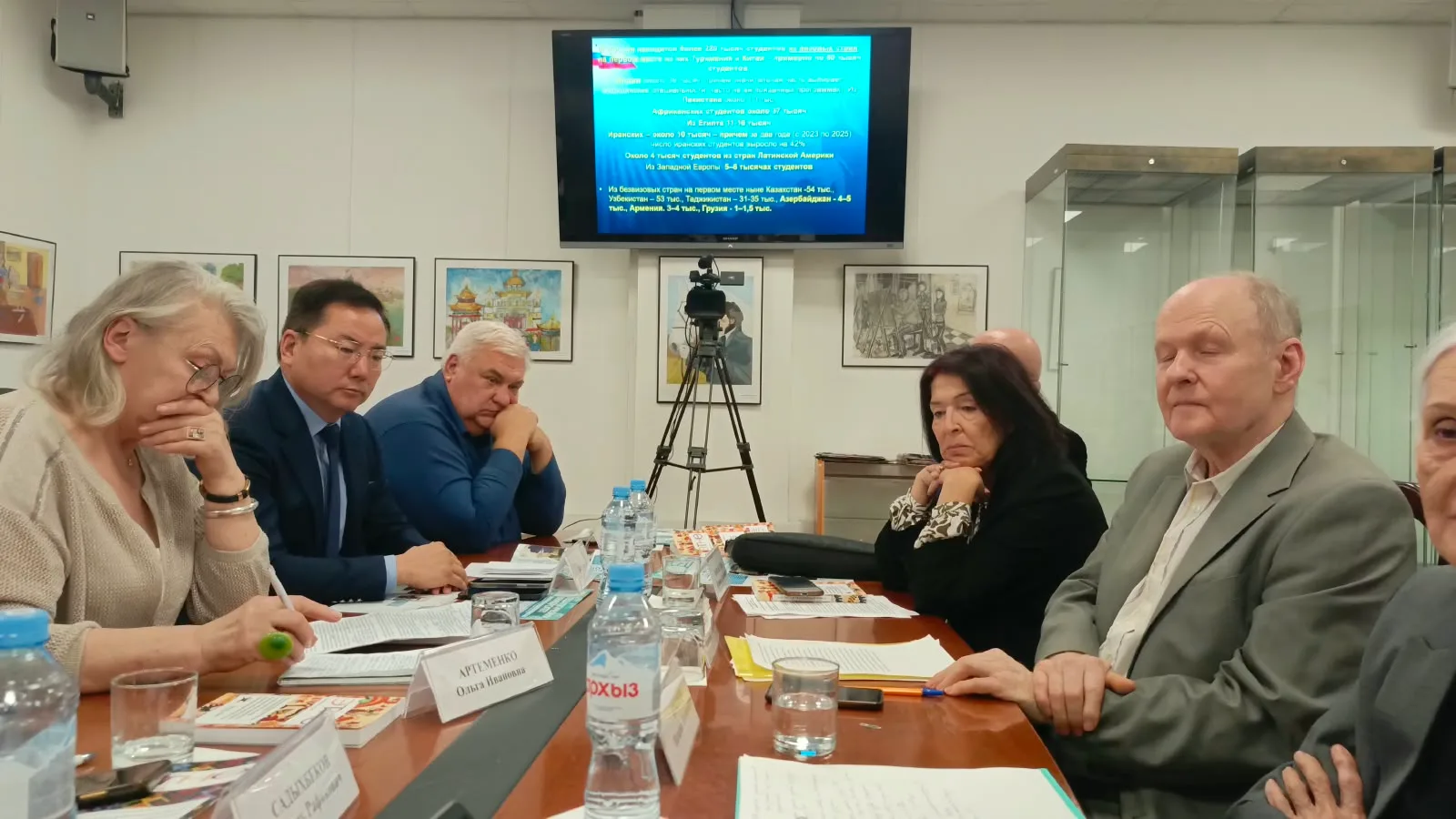
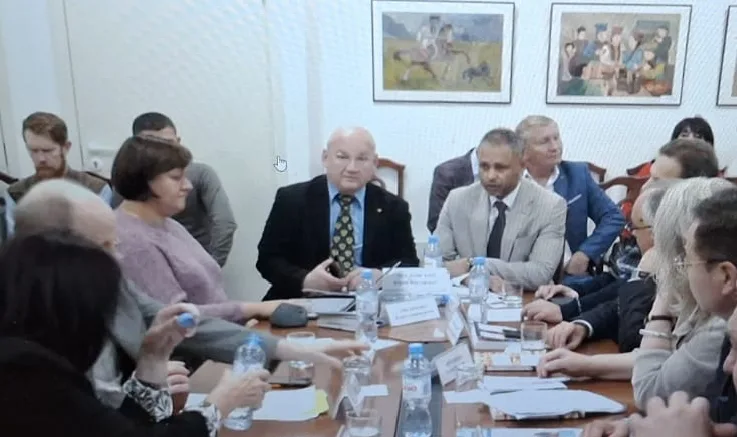
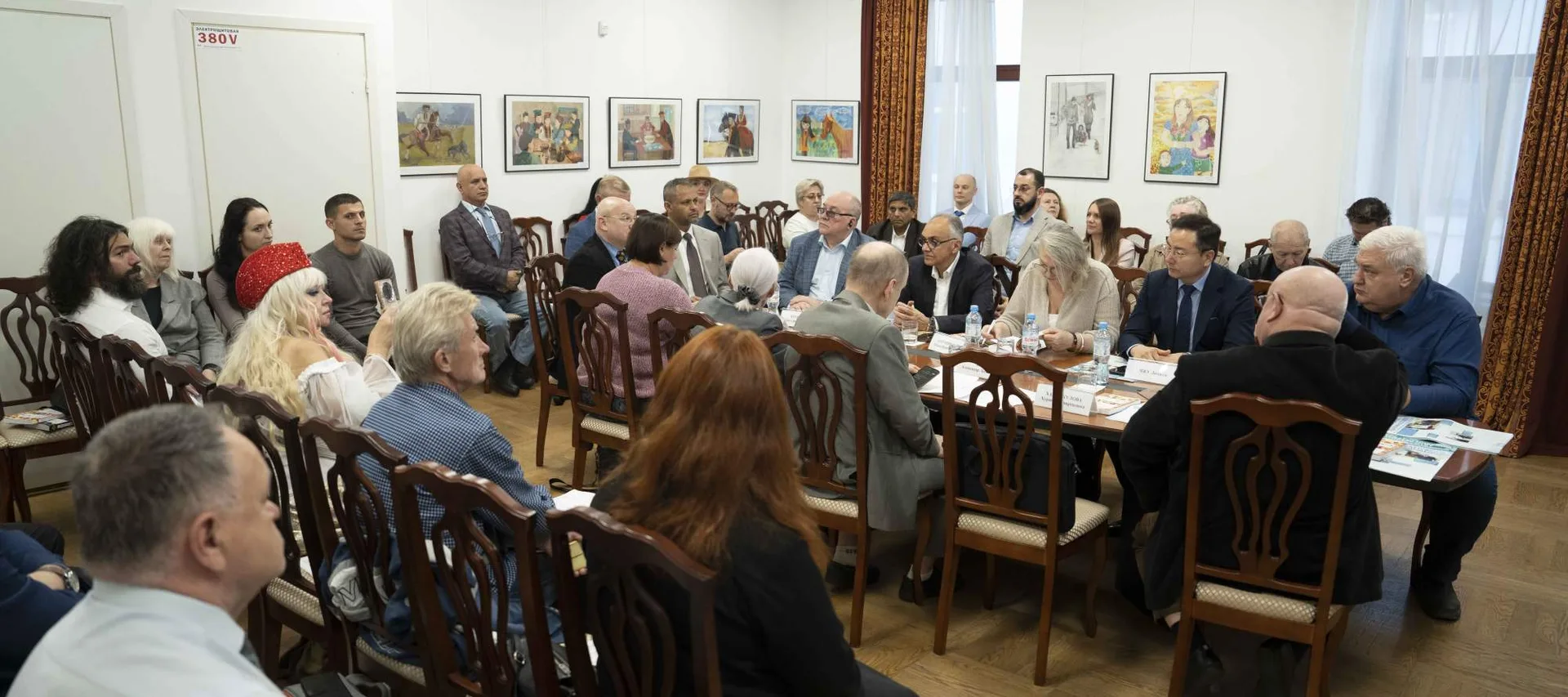
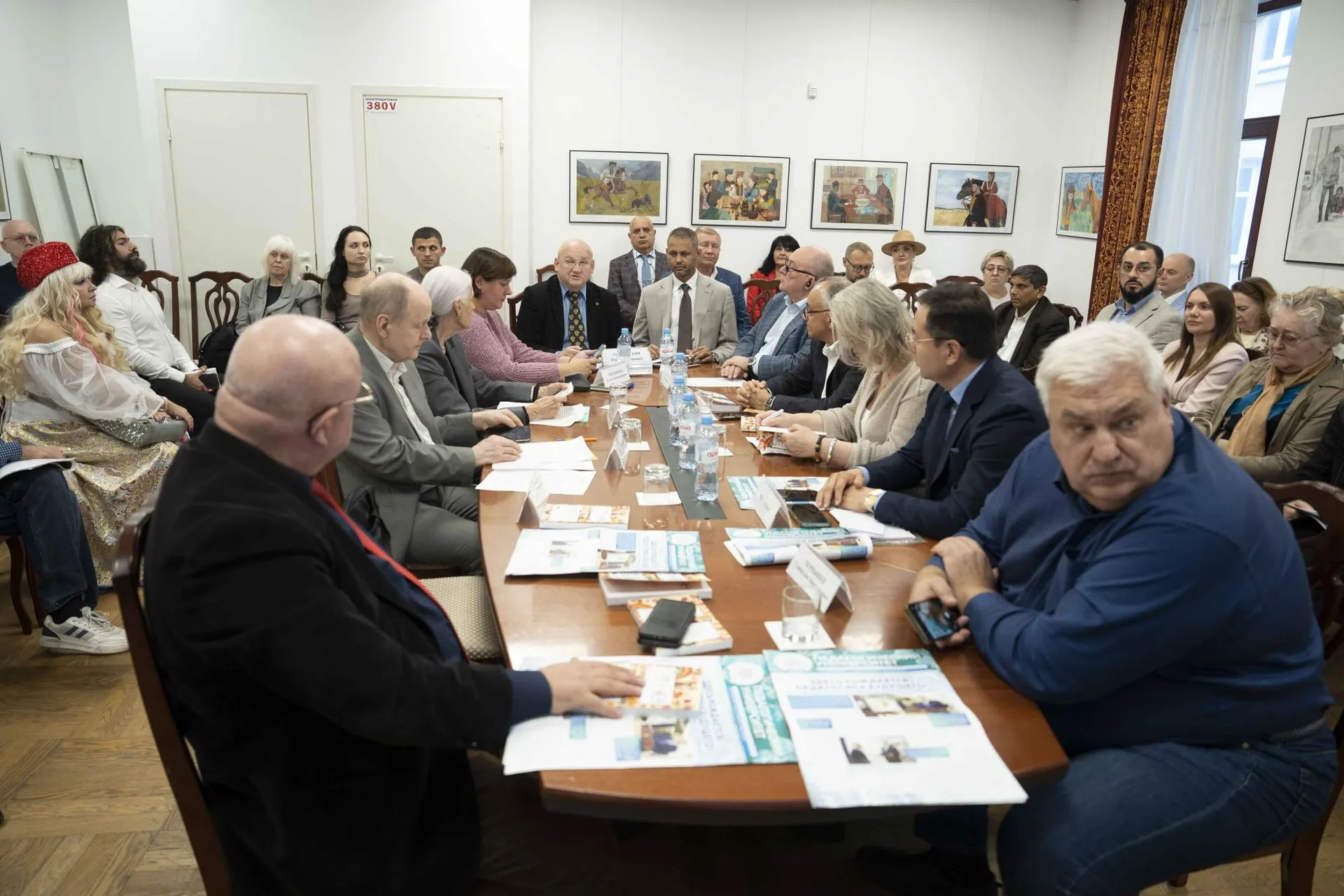
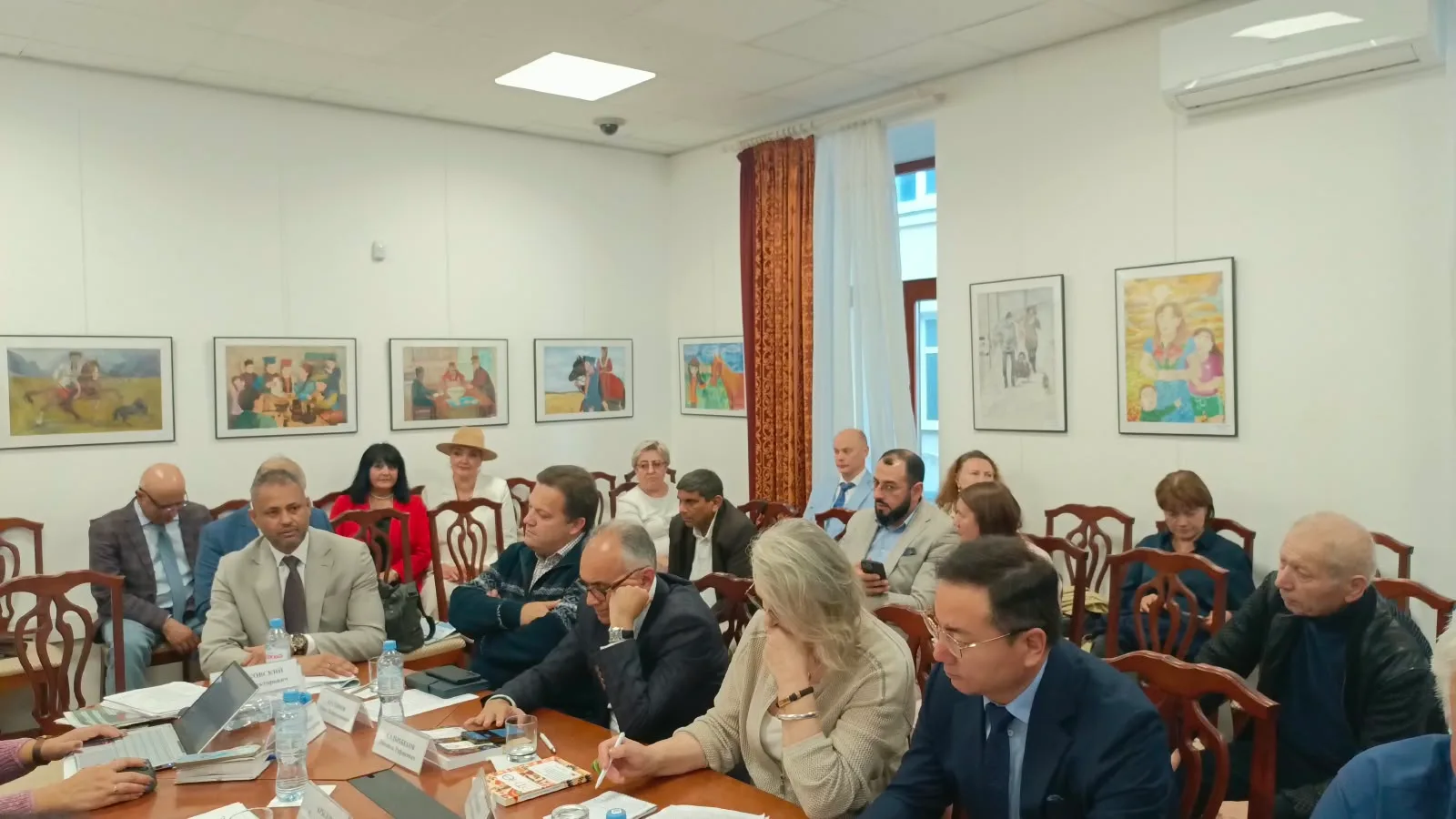
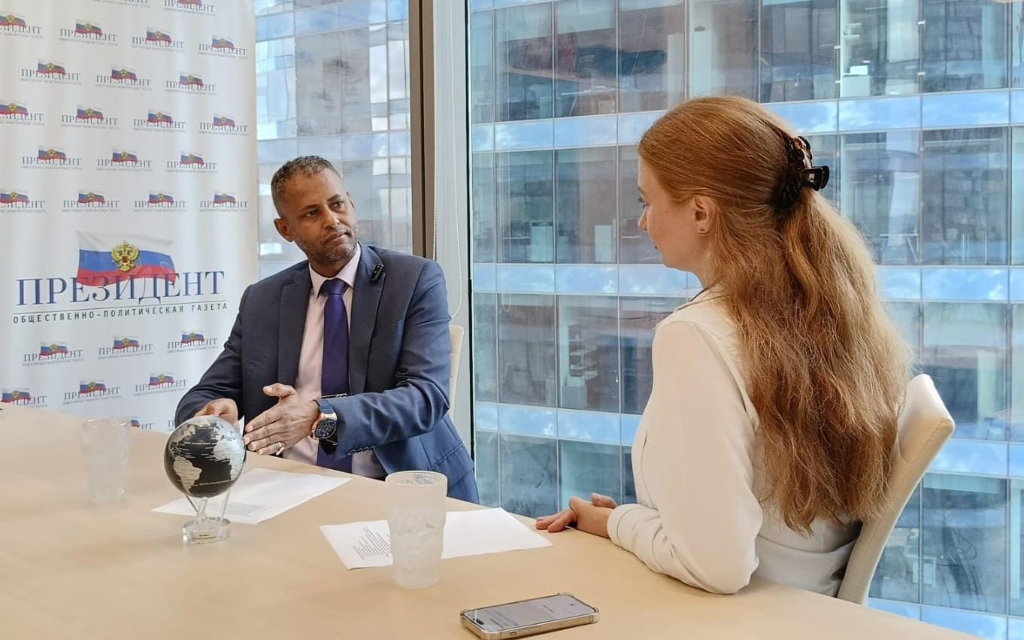
At a specialized academic seminar titled "Labor and Educational Migration to Russia from Visa-Required Countries: Statistics, Legislation, and Prospects"—held within the framework of the "Migration Policy and Issues of Adaptation and Integration for Foreign Citizens" project—Dr. Hussein Aref, President of the International Development Fund, delved into a critical issue facing Russian universities. He offered a remarkably candid assessment and practical solutions, moving beyond theoretical debate to propose measures ready for immediate implementation.
**Trust Built on Action... and an Expert Council That Made the Difference**
Dr. Aref opened his address by outlining the International Development Fund’s mission and its active role in forging economic and academic bridges between Russia and its partner nations. Before concluding, he paused to express his appreciation and gratitude to those who helped shape this journey, commending the efforts of the Fund’s founding members and its expert council for establishing its presence and prestige on the international stage.
These collective efforts, he noted, have led to numerous international agreements that translated into tangible projects across the Gulf, the Arab world, and Africa, as well as in Russia. Consequently, the Fund stands as a successful model of international partnership grounded in mutual interest and reliable execution. The Dilemma of Russian Universities: A Candid Assessment
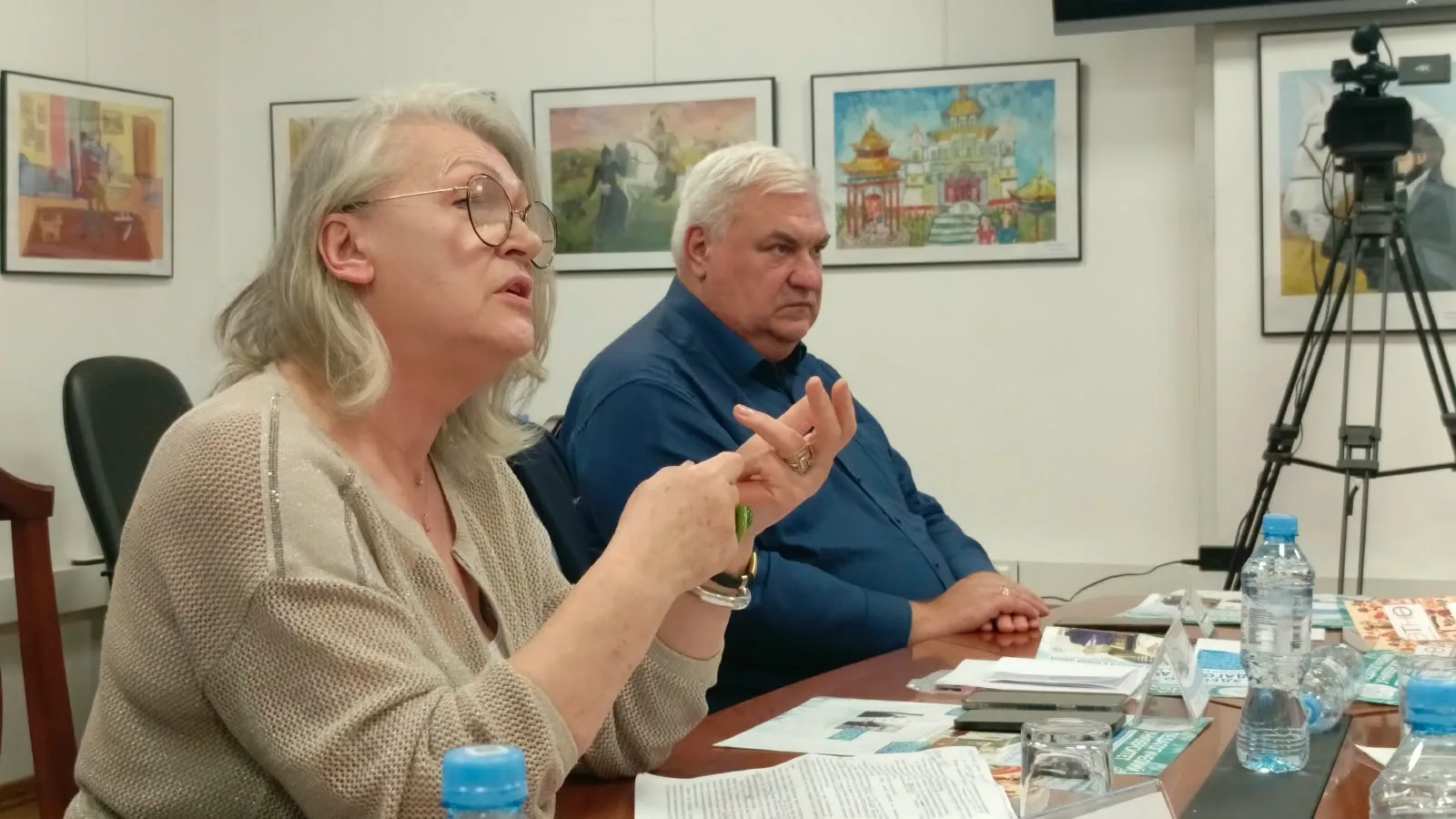
During the panel discussion, a participating professor posed a fundamental question to the group: why do international students shy away from Russian universities? Dr. Hussein Aref was the first to respond, offering an opinion based on close, firsthand observation. He noted that many students from African and Arab nations avoid Russian universities that offer instruction exclusively in Russian—without English or French options—preferring instead to enroll in institutions that teach in English or French. He explained that students who do choose to study in Russian often fail to attain the language proficiency required to pass entrance exams or comprehend academic lectures during their initial years; consequently, they find themselves facing only two stark alternatives: repeating the academic year or returning home disappointed. Conversely, students enrolled in English- or French-language programs face their own significant struggles, as they "encounter the reality of the Russian environment" during practical training—such as a medical student unable to interact with patients or read medical reports in hospitals during their clinical rotations. A Solution Born of Experience: Addressing Pre-University Education
Drawing on his extensive experience, Dr. Aref pinpointed the core of the issue: "The fundamental problem is that students in those countries study foreign subjects—specifically English or French—during their pre-university education." Based on this deep insight into the international student journey, he proposed a pioneering solution:
"Introducing Russian as an elective subject in the curricula of those countries, which would yield positive results across the board." By introducing the Russian language into classrooms at an early stage, generations of students would arrive at Russian universities already proficient in the language. They would be capable of grasping lectures and prepared for both academic and professional integration—factors that positively influence their future careers, as language proficiency ensures accurate understanding and comprehension.
From the COVID-19 Crisis to the Golden Employment Formula
Dr. Aref’s vision extended beyond education; he also reflected on his unique experience during the COVID-19 pandemic, when he launched an initiative to support exports aimed at Russian consumers. Through this work, he observed a growing interest among foreign businesspeople in establishing their own ventures and companies within the Russian Federation. He then presented a proposal to investors that was cleverly crafted and profound in its objectives: "For every foreign investor, job opportunities are created for two Russian citizens." Its stated goal was to "balance the labor market and ensure Russian citizens are not deprived of employment opportunities." Through this equation, foreign investment shifts from being a competitor to the local workforce to becoming a driver of its employment, cementing the investor's presence in Russian society as a partner in development rather than a mere transient figure.
"The Russian Street": The Language of Success Beyond Mere Words
In the context of integration, Dr. Aref emphasized the importance of gaining insight into Russian culture, customs, and the norms of acceptable behavior in public—asserting that this aspect is "more important than learning the language itself."
He explained that the Russian public has little tolerance for unconventional behavior by visitors—citing, for instance, the act of littering outside designated bins. He stressed that cultural and behavioral awareness is the key to genuine acceptance, noting that a student or investor who understands a society before living in it has already covered half the journey toward successful integration. A Final Word: Achievements That Speak for Themselves
In conclusion, Dr. Hussein Aref reiterated his praise for the "immense achievements of the International Development Fund." He noted that the founding team and the expert council have left their mark on numerous international agreements—now transformed into active projects across the Gulf states, the Arab world, Africa, and Russia. The Fund stands as living proof that balanced partnerships between Russia and its allies are not merely conference slogans, but tangible actions that uplift nations and shape the future for generations to come.